
Keeping your vehicle running smoothly is not just about changing oil on schedule. It is about choosing a formulation that protects your engine under real-world driving conditions. Whether you drive a fuel-efficient sedan, a high-mileage SUV, a turbocharged performance vehicle, a heavy-duty diesel truck, or a classic weekend car, the lubricant you select directly affects wear resistance, internal cleanliness, fuel efficiency, and long-term durability.
In this refined guide, we focus exclusively on eight standout formulations known for advanced additive technology, viscosity stability, and dependable protection. Each option serves a specific purpose—from full synthetic solutions for modern engines to high-zinc blends designed for vintage builds and diesel-specific formulas engineered for heavy loads.
If your goal is smoother operation, reduced friction, cleaner internals, and extended engine life, this ranking will help you confidently select the right option for your vehicle.
The 8 Best Motor Oils for Long-Lasting Engine Performance
8. Motorcraft Synthetic Blend 5W-20
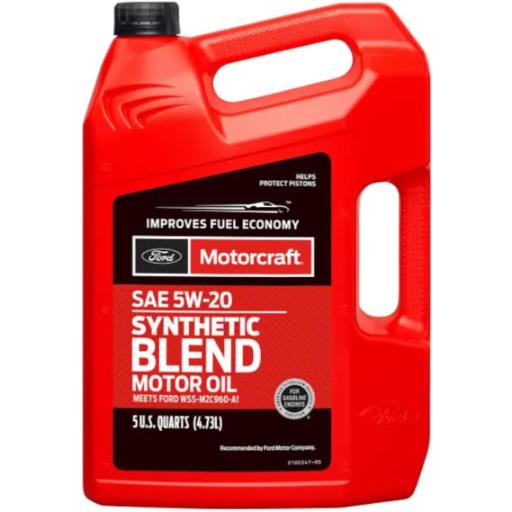
Motorcraft’s synthetic blend is a practical solution for drivers who prefer manufacturer-aligned maintenance. Designed to meet strict OEM standards, it delivers stable viscosity performance and improved cold-start lubrication compared to conventional formulations. Engines maintain smooth operation during daily commuting and moderate highway driving, while internal components receive consistent wear protection throughout recommended service intervals.
Why It Stands Out
Its balanced blend formulation supports dependable everyday reliability while maintaining compatibility with factory recommendations. It offers solid protection without unnecessary complexity.
Things to Consider
It does not provide the same extended drain capability or extreme heat resistance as full synthetic alternatives.
7. Lucas Oil Hot Rod & Classic Car 10W-40
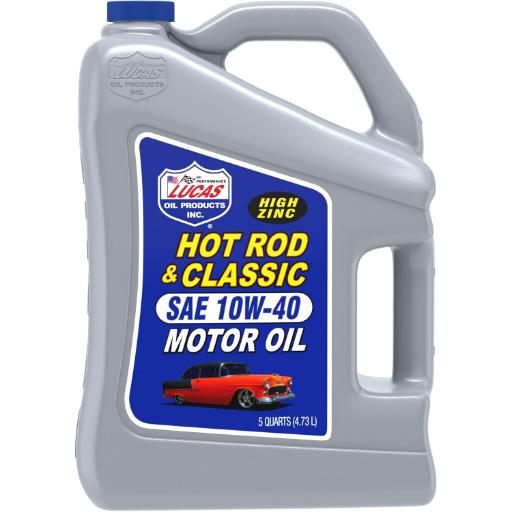
This formulation is specifically engineered for vintage engines requiring higher zinc levels for proper camshaft and valvetrain protection. It builds a strong lubricating film that reduces metal-to-metal contact, helping preserve older engine designs that were not developed for modern low-zinc oils. Classic car enthusiasts value its stability during storage periods and weekend drives alike.
Why It Stands Out
The elevated zinc content delivers targeted protection essential for flat tappet camshafts and classic mechanical systems.
Things to Consider
Not suitable for modern emission-controlled engines that require lower phosphorus content.
6. Royal Purple Multi-Grade Synthetic
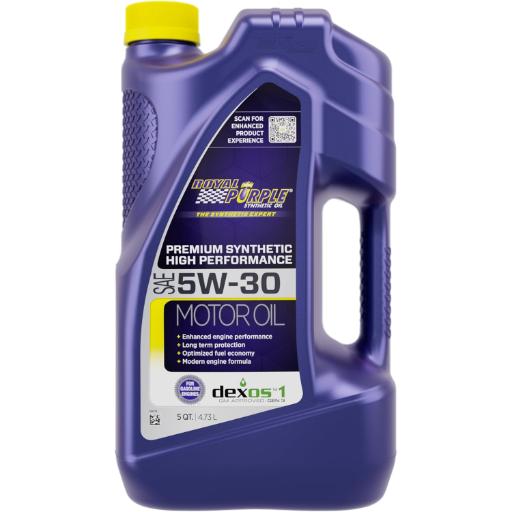
This versatile synthetic option provides dependable protection for everyday drivers. Its advanced additive system reduces friction and supports internal cleanliness, helping engines operate smoothly under varying conditions. Drivers often notice improved throttle response and consistent performance across city and highway driving.
Why It Stands Out
Strong viscosity stability and friction reduction enhance long-term durability and smooth engine feel.
Things to Consider
It is not designed for diesel engines or specialized high-mileage needs.
5. Royal Purple HMX High Mileage 5W-30
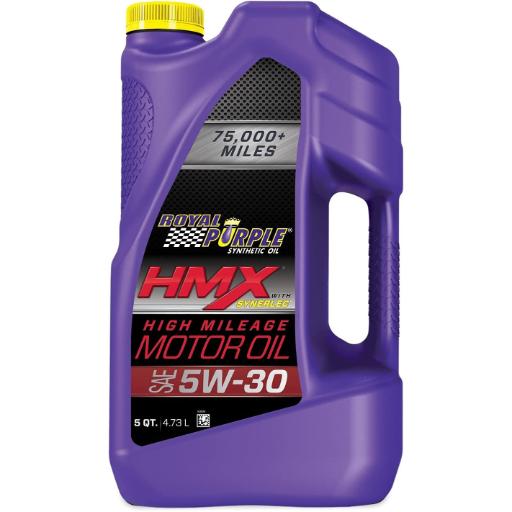
Developed for engines with significant mileage, this formula includes additives that help condition seals and reduce wear common in aging engines. It promotes smoother idle performance and may help manage minor oil consumption over time. The synthetic base maintains protection under both normal and demanding driving conditions.
Why It Stands Out
Its targeted high-mileage formulation helps extend service life while maintaining smooth performance.
Things to Consider
Vehicles with low mileage generally do not require high-mileage additives.
4. Liqui Moly Molygen New Generation 5W-30
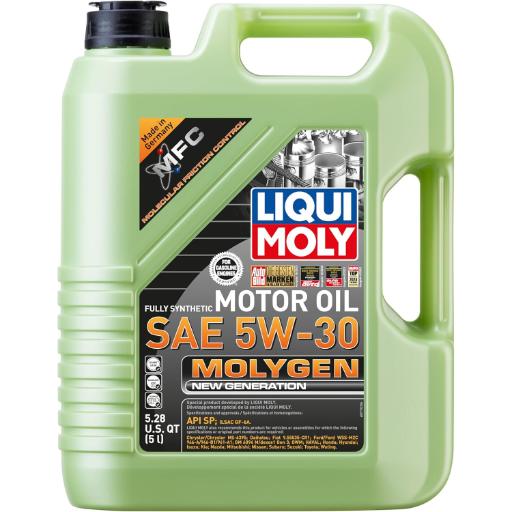
Engineered for modern gasoline engines, including turbocharged systems, this formulation emphasizes friction reduction and temperature stability. It performs consistently across seasonal temperature changes while minimizing deposit buildup. Drivers who value refined engine response and premium formulation often prefer this option.
Why It Stands Out
Advanced friction modifiers and strong shear stability support efficient long-term performance.
Things to Consider
Its premium formulation may exceed the needs of older, basic engines.
3. Valvoline Advanced Full Synthetic 5W-30
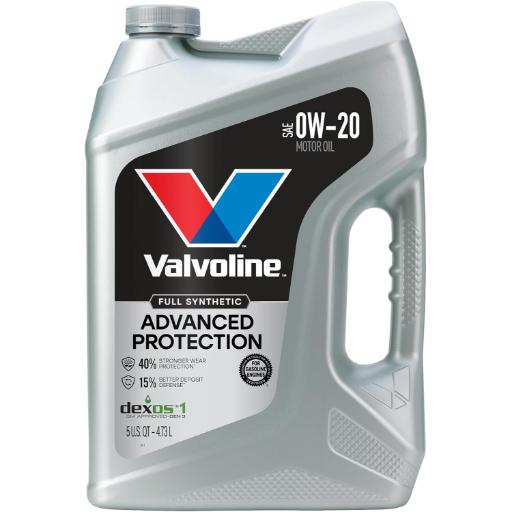
Valvoline’s advanced synthetic formulation delivers reliable wear protection and sludge resistance for modern vehicles. It provides strong high-temperature stability while ensuring rapid lubrication during cold starts. Engines remain cleaner over time, and performance stays consistent across maintenance intervals.
Why It Stands Out
Well-balanced durability and thermal stability make it an excellent all-around solution.
Things to Consider
May be more advanced than necessary for lightly used vehicles.
2. Shell Rotella T6 Full Synthetic 15W-40 Diesel Engine Oil
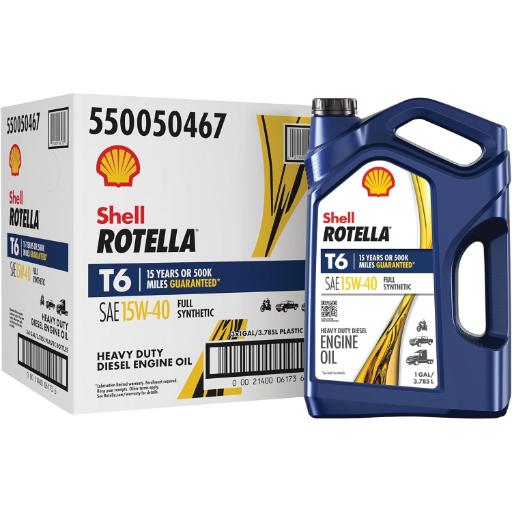
Built specifically for heavy-duty diesel engines, this formulation performs exceptionally well under high loads and extended operation. It resists thermal breakdown and supports soot control, which is critical in diesel applications. Towing, commercial driving, and demanding workloads benefit from its durability.
Why It Stands Out
Outstanding resistance to viscosity loss and oxidation makes it ideal for diesel engines operating under stress.
Things to Consider
Not appropriate for gasoline passenger cars requiring lighter viscosity grades.
1. Pennzoil Platinum Full Synthetic 0W-20
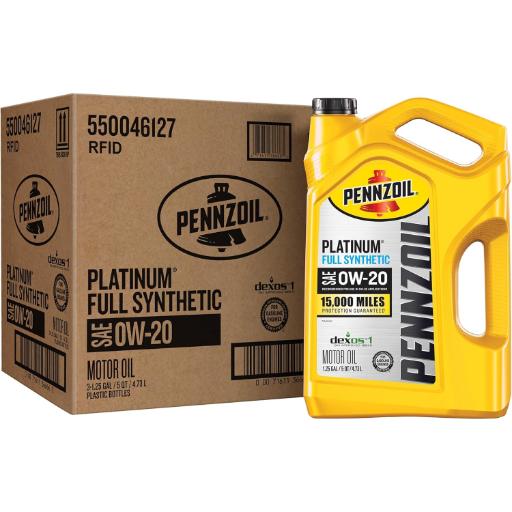
Leading this ranking, Pennzoil Platinum offers exceptional cleanliness and smooth performance for modern engines. Its advanced base oil technology helps reduce sludge formation while supporting efficient fuel economy. The 0W-20 viscosity ensures rapid cold-start lubrication and strong protection at operating temperatures. Drivers frequently report quieter operation and consistent responsiveness after switching.
Why It Stands Out
Superior cleanliness, excellent cold-start flow, and reliable long-term protection make it a top choice for modern gasoline engines.
Things to Consider
Not designed for diesel engines or vehicles requiring thicker viscosity grades.
Buyer Guide:
Selecting the right motor oil requires matching viscosity grade, formulation type, and engine requirements. Always follow your owner’s manual for recommended viscosity. Full synthetic formulations provide superior resistance to heat, oxidation, and breakdown, making them ideal for turbocharged engines and demanding driving conditions. Synthetic blends offer balanced protection for routine commuting.
High-mileage formulations include seal-conditioning additives designed for engines with significant wear. Diesel engines require specialized formulas capable of managing soot and heavy loads. Climate also plays an important role—colder regions benefit from lower winter viscosity ratings, while hotter environments require strong thermal stability.
Choosing the correct formulation improves engine longevity, enhances fuel efficiency, and reduces the risk of internal deposits.
Frequently Asked Questions
How often should oil be changed?
Most vehicles require replacement every 5,000 to 10,000 miles depending on manufacturer recommendations and oil type.
Is full synthetic better than synthetic blend?
Full synthetic typically offers better temperature resistance and longer service intervals.
Can high-mileage oil reduce leaks?
High-mileage formulations may help condition aging seals and reduce minor seepage.
Does viscosity really matter?
Yes. Using the manufacturer-recommended viscosity ensures proper lubrication and optimal performance.
Final Thoughts
Choosing the right motor oil plays a critical role in protecting your engine, improving efficiency, and extending service life. From full synthetic formulations for modern engines to high-mileage and diesel-specific options, selecting the correct viscosity and performance level ensures reliable operation under varying driving conditions.
By prioritizing high-quality lubrication and matching it to your engine’s specific requirements, you make one of the most important investments in long-term durability and smooth performance.